


.png)
What is modern website design?
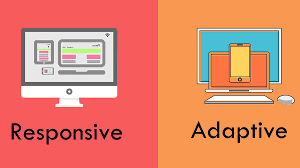
Modern website design is a style of web design that focuses on simplicity, efficiency and up-to-date technology. It combines an attractive look with an orderly, minimal structure so users can easily find the information they need. Responsive design (working well on phones and tablets), fast loading and a smooth user experience are its main features.
Beyond appearance, modern website design pays special attention to technical matters, including search engine optimization (SEO), the security of users’ data and standards-compliant code. Using newer technologies such as HTML5, CSS3, modern JavaScript and frameworks like React or Vue also helps the site perform better and display without problems on every device.
Features of modern website design
- Responsive design, so the site displays well on mobile, tablet and desktop
- A simple, minimal user interface with enough white space and no unnecessary elements
- A smooth user experience with easy navigation and quick access to information
- Fast loading through optimized images and lightweight code
- Current technologies such as HTML5, CSS3 and modern JavaScript frameworks
- Compliance with SEO principles for better search engine rankings
- Strong security to protect data and prevent intrusion
- A design aligned with business goals and user needs
- Integration with social networks for more engagement
- Room to extend and upgrade the site in the future
Why does modern website design matter?
An old or poorly optimized website makes users leave sooner and pushes up the bounce rate. Google, meanwhile, ranks modern, fast websites higher.
In today’s competitive world, your website is a customer’s first encounter with your brand. If you want that first encounter to become a great experience, modern website design should be a priority.
If you’re still unsure whether you need a website, we recommend reading Why should you have a website? (in Persian)
The most important features of modern website design
1. Responsive design
Today more than 65% of internet users visit websites on a phone or tablet. That is why responsive design is no longer an extra feature but an absolute requirement.
Your site should adapt intelligently to every kind of screen, from small smartphones to large desktop monitors.
This:
- Creates a smooth, flawless user experience
- Lowers the bounce rate
- Improves your site’s SEO ranking on Google
Technical tip: responsive design should be built with frameworks such as Bootstrap 5 or technologies such as CSS Grid and Flexbox so it stays light, fast and flexible.
2. Very fast loading
Research shows that if your site takes more than 3 seconds to load, more than 40% of users will leave!
So one of the most important success factors in modern website design is very fast loading.
To achieve it you should:
- Fully optimize images (using WebP or AVIF formats)
- Minify your HTML, CSS and JavaScript
- Enable browser caching
- Use content delivery networks (CDNs) to deliver files faster
- Choose a powerful, fast server with dedicated resources
Fast loading not only improves the user experience but also directly affects your SEO ranking under Google’s newer signals such as Core Web Vitals.
3. Smart use of white space
White space, the empty space in a design, is one of the signs of a professional, modern website. It:
- Makes users less tired
- Makes the site’s important elements stand out
- Increases users’ focus on the main content
- Conveys clarity and modernity
Cluttered, crowded designs no longer win users over. Your site should be designed so visitors feel they are in a clean, orderly space.
Design tip: combining white space with professional typography can make your brand look several times more credible.
4. Design based on user experience (UX)
One of the main pillars of modern website design is designing around the user experience.
That means the website must be designed entirely from the user’s point of view, not just the site owner’s taste!
Features of great UX:
- Clear, simple paths to information
- Logical, easy-to-understand menus
- Short, user-friendly sign-up forms
- Clear, effective calls to action (CTAs)
- Creative 404 pages that guide users back
Good UX-based design keeps users on your site longer and multiplies the chance they become customers.
5. Website security
Security in website design is no longer an option but an absolute necessity.
Important security measures for modern websites:
- An SSL certificate to enable HTTPS
- Keeping the CMS, plugins and themes up to date
- Protection against SQL injection and XSS attacks
- CAPTCHA on sensitive forms
- Regular backups of the site
Users trust secure sites more, and Google also gives highly secure websites more weight and shows them higher in search results.
If you put all these features together, you can build a site that not only looks modern and professional but is unbeatable in real-world performance too.

The steps of designing a modern website properly
Designing a modern, professional website is a careful, multi-step process, and without following its principles and details, success is almost impossible. Here are the steps of designing a modern website according to the latest international standards:
1. Define the strategy and set precise goals
Before doing anything else, you need to answer one basic question:
What is your goal in launching this website?
Goals can include:
- Branding and raising brand awareness
- Selling products or services directly online (e-commerce)
- Generating leads and building a customer database (lead generation)
- Offering consulting, training or specialist services
Tip: your goal will determine the direction of the design, the features you choose, the content you produce and even your future digital marketing strategy.
2. Analyze your target audience carefully (user personas)
A deep understanding of your target audience is one of the foundations of a successful design.
Questions to answer:
- Who visits the site?
- What is their age group, gender or location?
- What are their main interests, needs and problems?
- What do they expect from a website?
Creating user personas helps you shape the design, the content and the overall structure around users’ real needs rather than assumptions.
3. Design a logical site architecture
The structure of the site’s pages should be simple, clear and easy to understand.
A logical structure helps:
- Users find their way easily
- Search engines index your pages better
- Increase the conversion rate
Example: common structures such as Home > Services > Service Details or Home > Blog > Blog Post improve the user experience.
It’s a good idea to draw a detailed sitemap before the visual design.
4. Design wireframes and a prototype
Before the final design, create a wireframe (a rough, simple version of the pages) to settle the layout of elements and the user’s path.
Then you can design an interactive prototype to test the overall user experience before the final build.
Benefits:
- Avoiding rework and wasted money
- Making sure user paths are optimal
- Getting early feedback from project stakeholders
Suggested tools: Figma, Adobe XD, Sketch
5. Build the site with current technologies
The website should be built with the latest web technologies so it is fast, responsive and scalable.
Suggested technologies:
- HTML5 and CSS3 for a professional structure and look
- Modern JavaScript (ES6+)
- Advanced frontend frameworks such as React.js or Next.js
- A lightweight, secure CMS such as WordPress with special optimization
Websites built on Jamstack or a headless CMS are much faster and more secure.
6. Full on-page SEO optimization
Without on-page SEO, even the most beautiful websites aren’t seen on Google. SEO optimization should go deep:
- Correct use of structural tags (H1, H2, H3 and so on)
- Optimizing image weight and dimensions (using WebP)
- Smart internal linking to strengthen the site’s structure
- Compelling meta titles and meta descriptions written for click-through rate
- Short, readable, SEO-friendly URLs
Following these points carefully gets your pages indexed faster and ranked higher in search results.
7. Final testing and review
Before the official launch, run thorough tests:
- Check responsiveness on mobile, tablet and desktop
- Test site speed with tools such as Google PageSpeed Insights
- Test security and close possible security holes
- Check compatibility with different browsers (Chrome, Firefox, Safari and Edge)
- Evaluate the real user experience with A/B testing
The final goal: making sure the site performs at its best under any conditions and is ready to compete online.
Modern website design trends
🔹 Dark mode: less eye strain and a modern look
🔹 Light motion design: subtle animations for more appeal
🔹 A personalized user experience: showing specific content based on user behavior
🔹 AI integration: smart chatbots and personalized suggestions
🔹 A focus on Core Web Vitals: speed, stability and fast response
How much does a modern website cost?
The cost of a professional website depends on several factors:
Factor |
Details |
|---|---|
Number of pages | The more pages, the higher the cost |
Special features | Such as an online store, live chat or appointment booking |
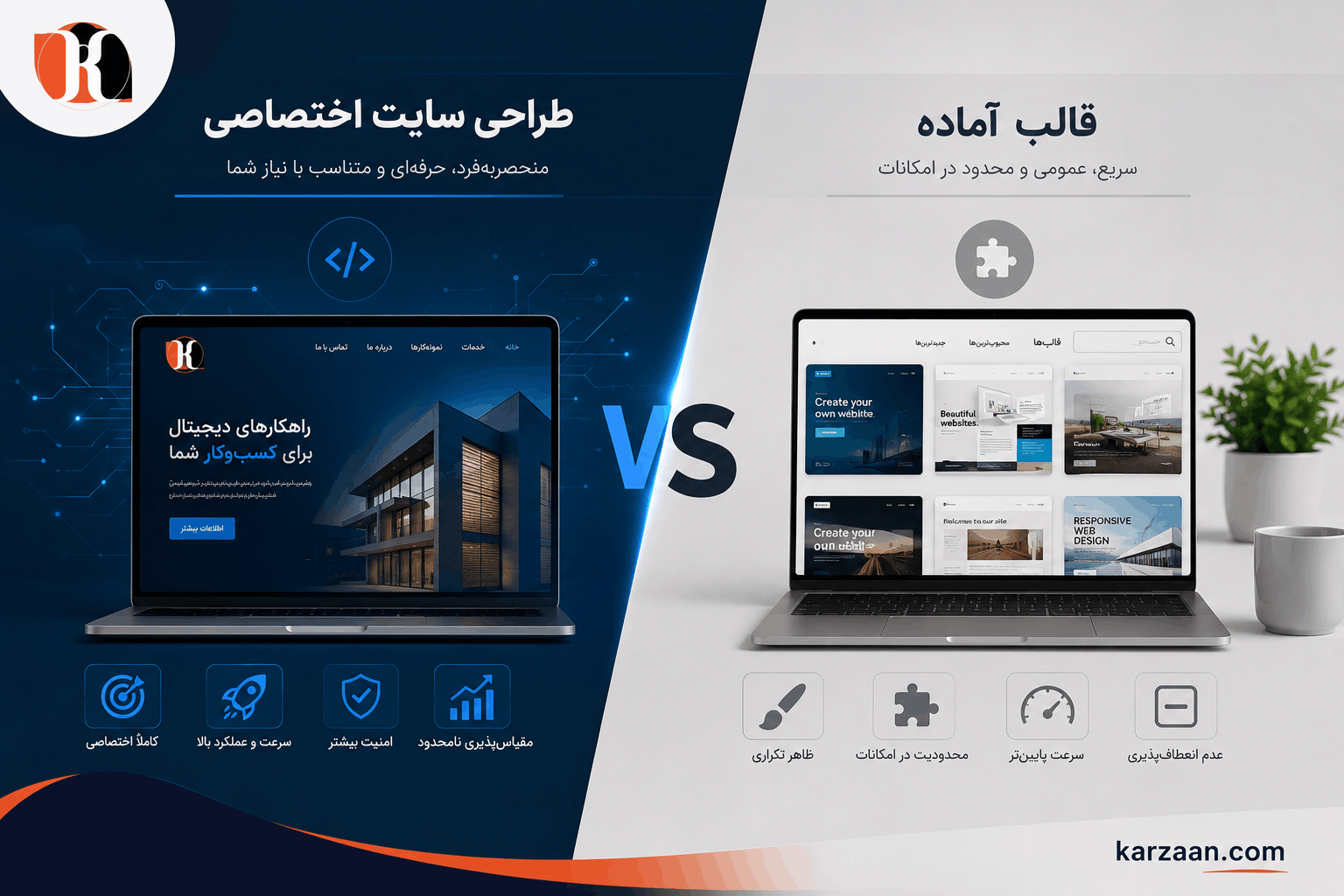
Custom design | Designing from scratch costs far more than a ready-made template |
SEO optimization | Optimization is priced separately |
If you need detailed advice, we recommend reading How to order a professional website (in Persian).
How do you choose the best web design company?
Finding a reputable company can change the fate of your digital project.
Criteria for choosing the best web design company:
- A strong, recent portfolio
- A clear, detailed contract
- Real technical support
- A thorough understanding of SEO and UX
- Free, expert consultation before the work begins
To choose better, don’t miss How to find the best web design company (in Persian).
Summary
Designing a modern website isn’t only about good looks; it is a combination of a focused strategy, a great user experience, current technology, speed, security and SEO.
Every step of the way plays a vital role in your online success.
If you’re after sustainable growth, visibility on Google and more customers, it’s time to think about your website with a professional, forward-looking eye.
By choosing the right path, you can secure your brand’s place in the digital world and get ahead of your competitors.